Do you remember life before the internet?
I’m in my mid fifties, so the internet wasn’t really a thing for any of my childhood or a good chunk of my adulthood. I’m just older than the original ARPANET, the last twenty years is when it’s become a – I’m going to use the word ‘quotidian1’ – part of life. This means that our children, born in 2004 and 2009, grew up with the internet.
Knowledge from dead trees
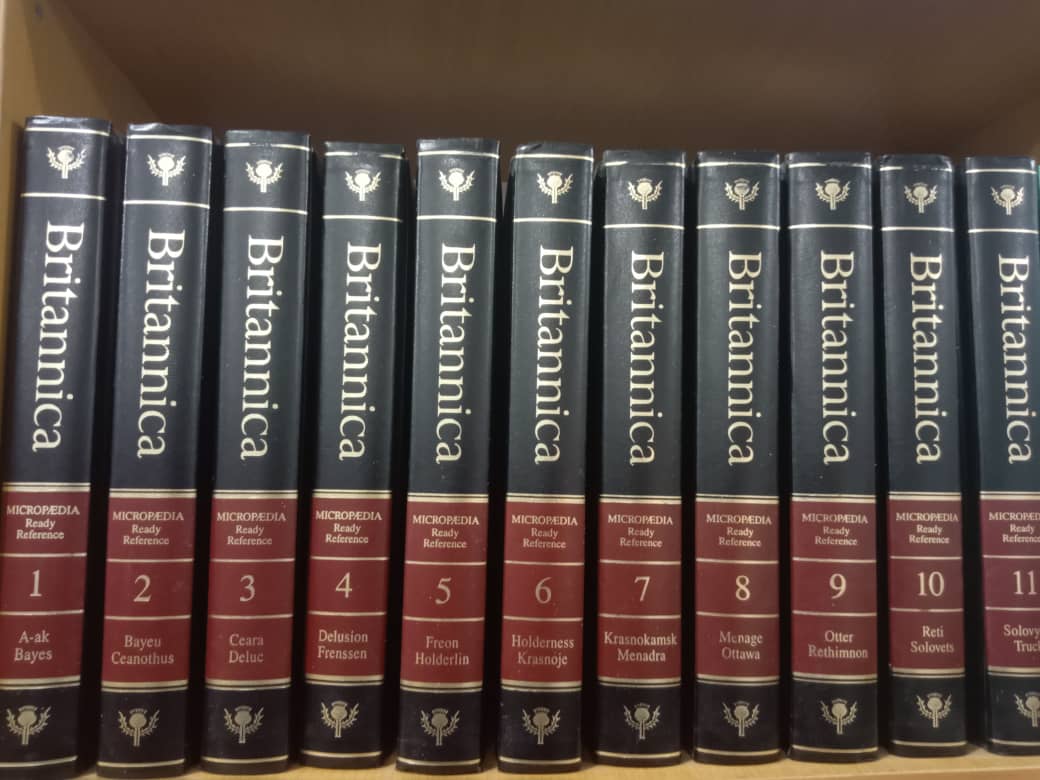
Physical encyclopaedias were the source of knowledge. I collected a part work encyclopaedia in the late 70s, it’s in the loft. The only thing I remember was how important the author of the Billabong entry thought it was that we don’t confuse a billabong with an ox bow lake. It remains the only time I’ve seen capital letters being used for emphasis in a reference work.

We also had a 12 (I think) volume reference from the ’60s. This was much slacker about the definitions of riverine features. It also had beautiful full colour insets with cutaway diagrams of flowers, sailing ships, hydroelectric dams and (less lovely) frogs. Instead of doomscrolling or getting lost on a Wikiwalk, we could spend a wet Sunday leafing through these reference works and bore each other with really interesting facts.
Early days of the internet
I first heard about email in 1990, at university. One of my tutors explained how he could use his computer (he had a computer in his office!) to send a message to a friend in Southampton and would likely have a reply that afternoon. A miracle!
Academia and the military were the first adopters of internet. When I started work at Liverpool university in 1993 I got my first email address. I didn’t have anyone to email until a few years later when my dad, an early adopter, got home internet in ‘96. He used it for research – he was a keen genealogist, and the digitising of parish records and the availability of registry office records online was just beginning.
What now?
I’ve written before about how the internet changed how I did my job as a research scientist. I’m now self-employed and the internet enables my work. My online shop couldn’t exist without the internet. I’d have to have the goods printed for me or buy a suitable printer and then have the hassle of storing unprinted goods (t shirts in all sizes and colours, bags, cups, blank stickers…) .
The impact that the internet has on our lives is astounding when you think about it from the point of view of what it was in the 1990s. In an interview with Jeremy Paxman in 1999, David Bowie said he was convinced that it would change our lives and our idea of what media could be. Paxman was sceptical, as most people would be. Who really needs a computer in their homes, just to do shopping or read emails?
Bowie and Paxman could not have foreseen the rise and ubiquity of smart devices, where almost everyone can have access to the internet. It’s now so routine to have internet that to be without can seem, for some, to be a personal disaster.
- I could also have used ‘jejune’, but let’s keep things suitable for family viewing, shall we? ↩︎

Leave a Reply