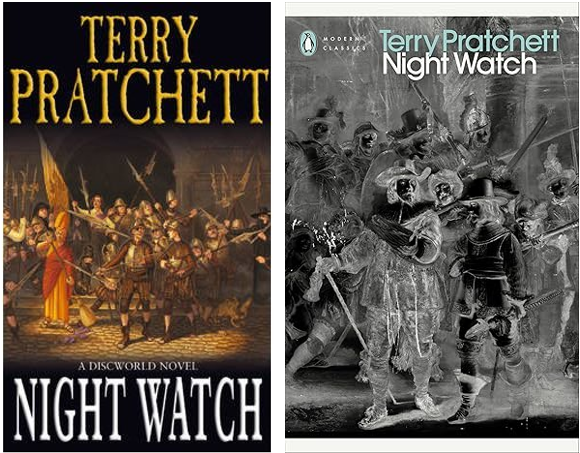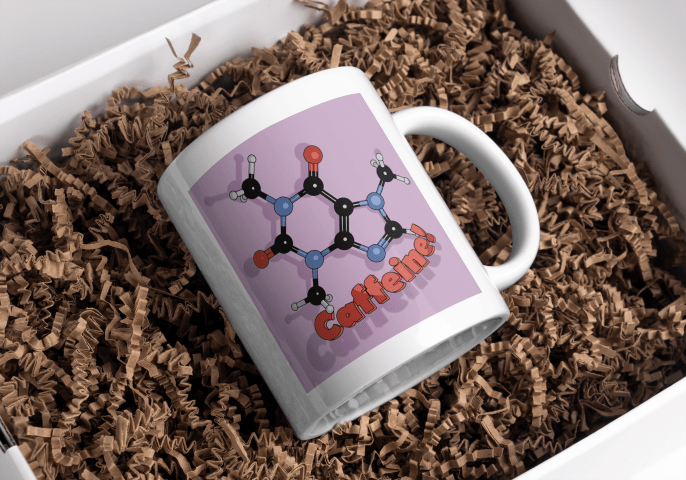
Author: Fraser Steele

  • The Grand National

    Today would have been a red letter day at home when I was growing up. My dad loved horse racing. Our Saturdays had a steady routine; shopping in the morning when dad would visit the bookies, home for lunch, then flicking between BBC and ITV for the races he’d put a few pence on.

    It was the lot in life of me or my younger sister (whoever was closest) to do the switching of channels so the 2:20 from Towcester could be watched without a break after the 2:10 from Leopardstown had run and, yet again, Daddy’s Donkey didn’t win.

    He never gambled much. In the 70s, I think it was a matter of 5 p on each horse, maybe 6 or 7 races. It was never more than £10 total on a racing day, until he stopped going when he fell ill.

    So gambling was only ever a small indulgence for my dad. Over the years I picked up on a lot of information about horseracing. Dad would patiently answer my questions about what betting odds were, what the numbers in the Form line meant, the handicap system, and why some jockeys were better than others.

    Rabbit holes and Gatwick Airport

    I was down a rabbit hole earlier in the week. It was sparked by an article on BBC News about the history of the Grand National and the little known fact that the Grand National had been run at Gatwick during the First World War.

    I knew there had been a race course at Gatwick. There’s an excellent resource held by the National Library of Scotland (https://maps.nls.uk) where you can overlap old maps with modern OS maps. Bored one afternoon, I had a look at how the landscape had changed in my local area over the last 100 years. And there was Gatwick Racecourse on the 1925 map.

    Area around Gatwick Racecourse from the 1925 OS map. The current bounds of Gatwick Airport are shown in green. The train line is still in place, but the M23 now runs through Shipley Bridge and Fernhill. (From Wikipedia)

    That the Grand National had been run there was news to me, though. I was surprised that sport continued during the war, though Mrs S pointed out that football carried on throughout, despite many of the players being called up.

    The Grand National in 1918 was won by Ernest Piggott, the grandfather of Lester Piggott. Along with Willie Carson, he was one of the top jockeys I remember from the 80s.

    Female jockeys

    One strand of the rabbit hole (do rabbit holes have strands?) was sparked by the memory that the first female jockey to win the GN was only in 20211. Rachael Blackmore won on Minella Times at the handy SP of 11/1. Second horse in had odds of 100/1, which would have been a pleasing result for an each way bet.

    I can’t remember dad ever being disparaging towards female jockeys, largely because there were so few when I lived at home. Checking Wikipedia, there were no professional female jockeys until the mid 70s2. It does seem strange that this area of horse riding is still a male preserve (in the UK – in New Zealand 40% of the professional jockeys are female), whereas in other equestrian events (show jumping in particular) women and men compete equally.

    It was certainly a struggle to get the various jockey clubs to allow female riders. Did the established jockeys fear the rise of women in their sport? Probably not. Champion jockey Bill Hartack, in a guest editorial in Life Magazine in 1968, wrote:

    “They’ll find out how tough it is and they’ll give it up. The tracks won’t have to worry about being flooded with women because a female cannot compete against a male doing anything….They might weigh the same as male jockeys, but they aren’t as strong. And as a group, I don’t think their brains are as capable of making fast decisions. Women are also more likely to panic. It’s their nature.”

    I’m pretty sure he’s wrong about the strength thing. My understanding from climbing is that women tend to be stronger weight-for-weight and often outperform men. Getting used to the culture, or changing the culture, is another matter entirely.

    I’d need to look more into whether flat and national hunt racing have been better than other sports at allowing men and women to compete on an equal footing. Long distance running is the only other sport I can think of where mixed races are won by women in a ratio that reflects the competitor mix.

    1. Discounting, of course, Elizabeth Taylor’s win in the film ‘National Velvet’. Apparently, because it was a film, it doesn’t count. ↩︎
    2. Officially, anyway. There were women disguised as men in the 19th century, who went so far as to wear bowler hats and smoke cigars to convince everyone they were men. Simpler times. ↩︎
  • Taskmaster

    Taskmaster

    The best panel show ever. I bloody love it.

    It’s based in silliness, which I have come to realise is where my humour lies. If I think of all my favourite sketches and stand-ups, there is a strong thread of the silly about them. Morecambe & Wise with Andrew Preview. “Who’s That Girl” from Harry Enfield. Ray Alan and Lord Charles, with Lord Charles demonstrating the art of ventrickolism. Monty Python, The Goons. Etc.

    I’m not sure when I started watching it, I think I saw season 4 (Hugh ‘Desky’ Dennis and Mel Giedroyc were the two main draws) first.

    I’m pretty sure Season 7 (2018) was the first I watched as it came out. This is up there with the best of the seasons, absolute chaos all the way through.

    The strength of Taskmaster is the cast. With Season 7, they hit it right. In particular, we got Greg more involved due to his long-standing friendship with Rhod Gilbert. Oddly enough, I didn’t click with Jess Knappett to begin with. She was this vague, slightly annoying presence. That was until ‘Cul de Sac’.

    This seemed to transform her into a 3 dimensional person worthy of having a piece of the stage named after her, and from then on, I loved them all.

    There is an ongoing controversy about this series, centring on James Acaster’s performance. He maintains that he was the moral winner of his series, despite coming fourth.

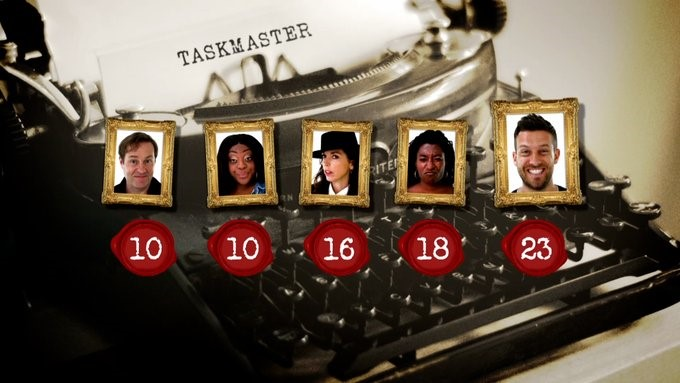
    Final scores for series 7, clearly showing that James, finishing on 165, was fourth behind Rhod (167), Jess (175) and Kerry (176).

    However, I wouldn’t be a proper fan if I didn’t get a bit obsessive about the show. Is there any substance to James’ claim? Let’s have a think about another, inferior1, panel show hosted by someone who is far too tall – House of Games.

    House of Games runs for five nights with the same cast of four. At the end of each episode the contestants are awarded points depending on where they finish – winner gets four points, second three, etc. So winning by ten points doesn’t translate to a certain win. What if we apply this to Taskmaster and see how James would have done?

    Summary of the seventh series of Taskmaster using House of Games points scoring. The leader after each episode is highlighted.

    We can see that James had a shocking start to the series, coming last in the first two episodes. Even Phil was ahead of him!

    So using House of Games rules, Kerry and James would have been tied, Jessica Knappett would have been third with Rhod in fourth. Again. And then there’s Phil.

    However. On House of Games the last episode (broadcast on Friday) is worth double points. So, because James won the last episode his points total rises to 40 and he, therefore, is the champion, just edging out Kerry and leaving Jess in fourth place.

    Look me in the eyes and tell me I’m not a champion.
    1. Inferior, but still a lot of fun. I particularly like the song intro round, where they play the intro to a song, fade it out and you have to guess when the singing starts. ↩︎
  • Etsy shop

    Etsy shop

    I set up an Etsy shop to sell t shirts some time ago, but I don’t think I’ve given it enough attention. I’ve certainly not blogged about it. There’s a lot of stuff to learn, designing the shirts is the least of it.

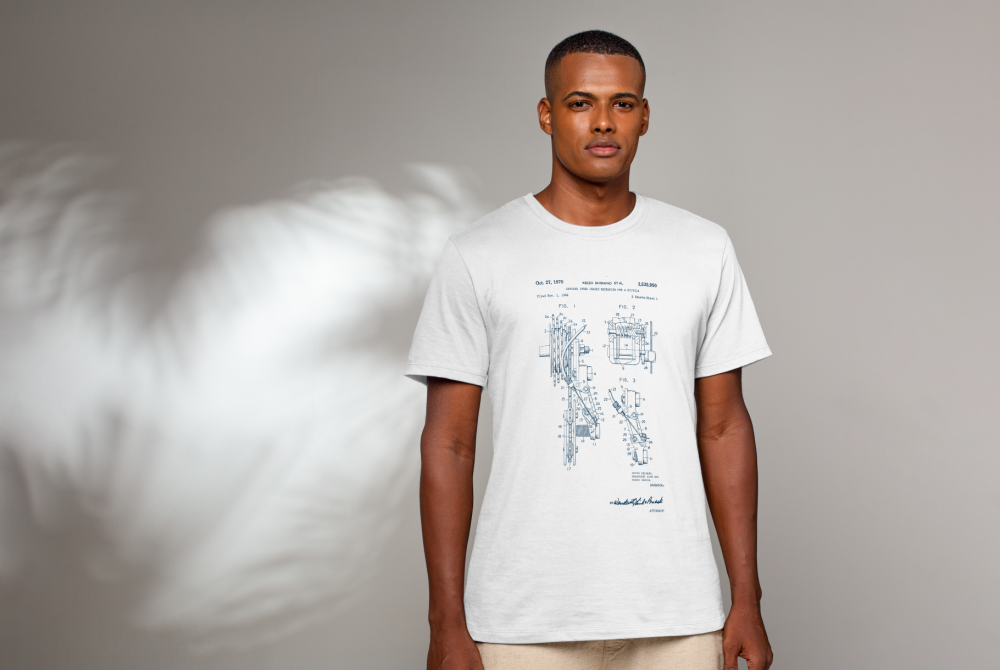
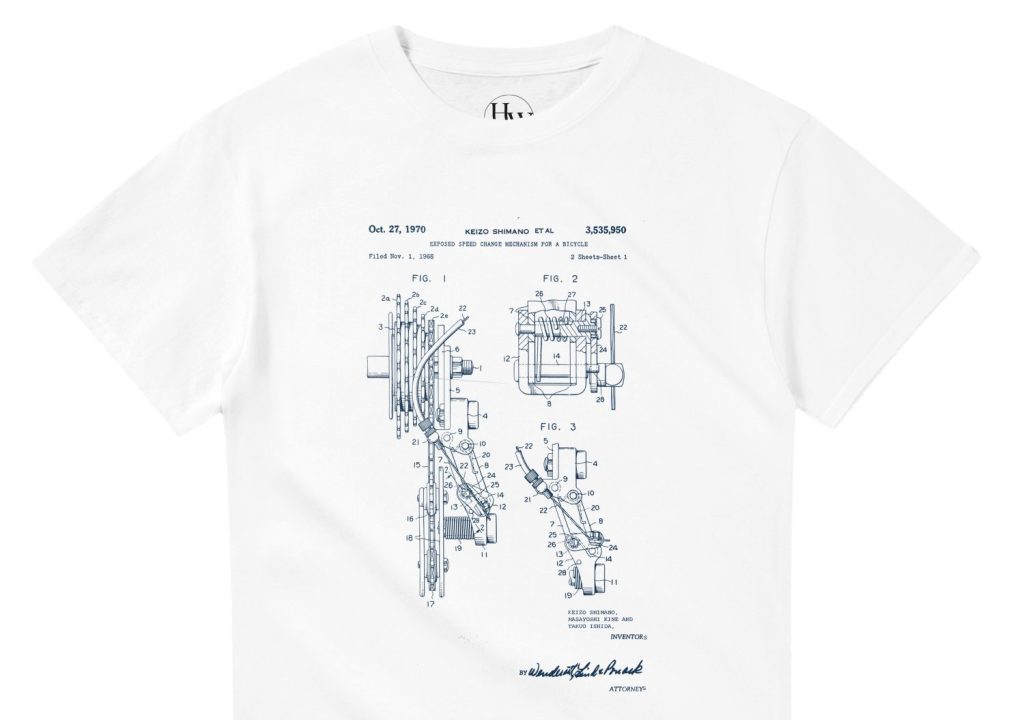
    My initial idea for designs was to use old patent images from guitars, jet engines and other tech. It took a while to find how to remove background from the pictures so that the prints didn’t have a huge area of white. This would look crap and my t shirts wouldn’t sell.

    I found Inkscape to be the easiest app for this. Luckily there’s YouTube videos that show how to do this; the first one I found was in Spanish, which I don’t know (apart from una cerveza, por favor) which confused me, but then I found the same woman’s English version. Hurrah!

    There’s a list of peripherals needed for the Etsy shop. I used Canva to design a logo, which I can put in the back of the neck of the t shirts. Then a banner; this had to wait until I’d made some t shirt designs to populate the banner with and learned how to make mock-ups. Again, Canva was the app for that.

    Logo for Heath Way Prints online shop
    Logo for the online shop. I tried to keep it simple and functional.

    I spent a chunk of today changing up the logo to make a rotating gif. I’d done this sort of thing with a beer logo so this was a bit easier than it might have been1. Still took me a couple of hours because I’m only about 100 hours into my Blender learning.

    Spinning beer logo, complete with shiny edges.

    I took some colour advice from Mrs S and we decided a green background would be good.

    Spinning logo on a green background.

    Then I uploaded it to Etsy, only to discover that the logo won’t be animated. Bums. Still, I had a decent purple still image instead, which I’ve used for the shop logo.

    I had searched for print-on-demand providers, these are companies who will print t-shirts for you as and when they are ordered. I signed up to Gelato, who seemed fine. Other POD suppliers are available and have a different range of items that can be ordered. Not just T-shirts, but sweatshirts, romper suits, hoodies, wall art, mugs, hats and other stuff.

    I may do a post on how to get from design to t-shirt and into Etsy, but I may have stretched your patience already. Anyway, the link to the shop is below, and I will do a post about the design of some of the t-shirts.

    https://www.etsy.com/shop/HeathWayPrints?ref=seller-platform-mcnav

    1. I followed a tutorial by Polyfjord, which laid out the steps very nicely. https://www.youtube.com/watch?v=zthvZvw-yJE ↩︎
  • Lasagne

    Mrs S asked for this for Mother’s Day. How could I refuse? (I could have said ‘no’, I suppose)

    Timings: Prep: 50 min. Cooking: 35 min Rest: 15 min Eat: 10 min

    Ingredients

    500 g beef mince (5% fat)

    One onion, diced

    4 gloves garlic, chopped

    Tin chopped tomatoes

    Herbs – using dried herbs, basil, oregano, thyme and parsley. A teaspoon of each.

    Chili flakes because we like them

    veg stock and tomato puree

    2 tablespoons oil (peanut, vegetable or whatever is to hand)

    500 ml full fat milk

    75g cheese (mix of cheddar and parmesan because that was what was in the fridge), grated.

    2 tablespoons sauce flour

    Lasagne sheets – at least 6, maybe 9, but buy a box of them.

    Sorry, no photos because I was listening to Iron Maiden while I was cooking and forgot.

    Oven to 180 C (fan).

    Meat sauce

    Brown the mince until it goes uniform brown and no red bits.

    Meanwhile, fry the chopped onions in the oil until they go translucent, then add chopped garlic and fry for another minute1. Add the dried herbs and stir these in to release the aroma.

    Add the tin of tomatoes and a squeeze of tomato puree. Add the browned mince, veg stock and stir well. Turn off the heat.

    Cheese sauce

    Pour the milk into a pan and add the sauce flour2. Heat the milk and stir constantly, chanting the mantra “this won’t work. It never does” until all the flour disappears and the sauce is thick. Add most of the cheese and stir to melt in.

    Assemble the lasagne

    Pour a thin layer of the cheese sauce into a suitable ovenproof dish. Smear the dish with butter if you like, it may reduce sticking.

    Add lasagne sheets over the cheese sauce and then one third of the meat sauce and a bit of the cheese sauce – don’t use too much for the layers. Continue to layer up until you run out of meat sauce.

    Add a final layer of lasagne, pour over the rest of the cheese sauce (about half should be left) and completely cover the top layer of pasta. Sprinkle the remaining cheese on top.

    Shove it in the oven for 35 minutes. Check that the pasta is cooked by prodding it with a fork.

    Take out and leave to rest for 15 minutes while the garlic bread is cooking.

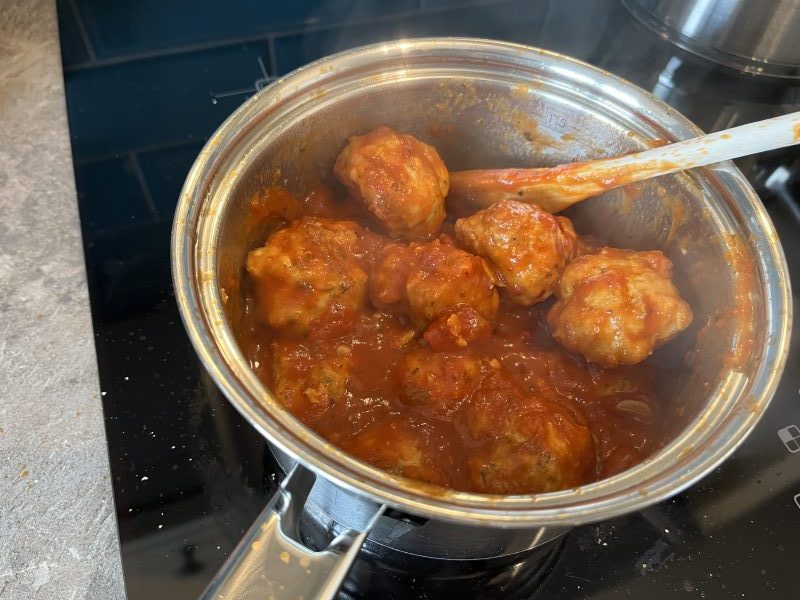
    OK, I lied, there is a picture. This is what was left when we’d had enough. Normally the whole thing goes, but oldest is at Uni so they weren’t around to eat it. More fool them.

    1. We got this tip about adding garlic well after the onion from the TV show ‘Pie in the Sky’ about a food-obsessed police detective (Richard Griffiths) and his crisp-mad wife (Maggie Steed (who also played Dr Hildegard Lanstrom in Red Dwarf)) ↩︎
    2. We have used sauce flour for many years and it is the best thing for thickening sauces. You can make a roux, by all means, but it’s a pain in the arse and risks burning. ↩︎
  • Blender part 4

    Blender part 4

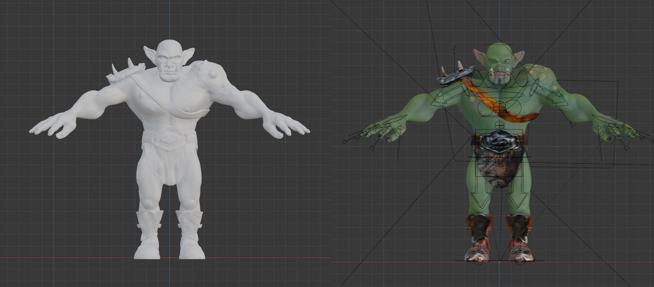
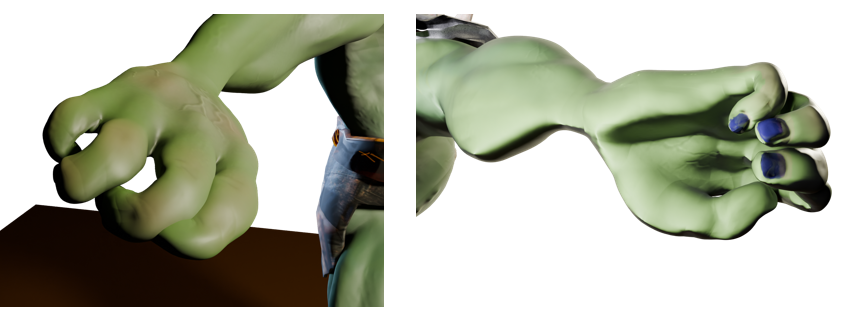
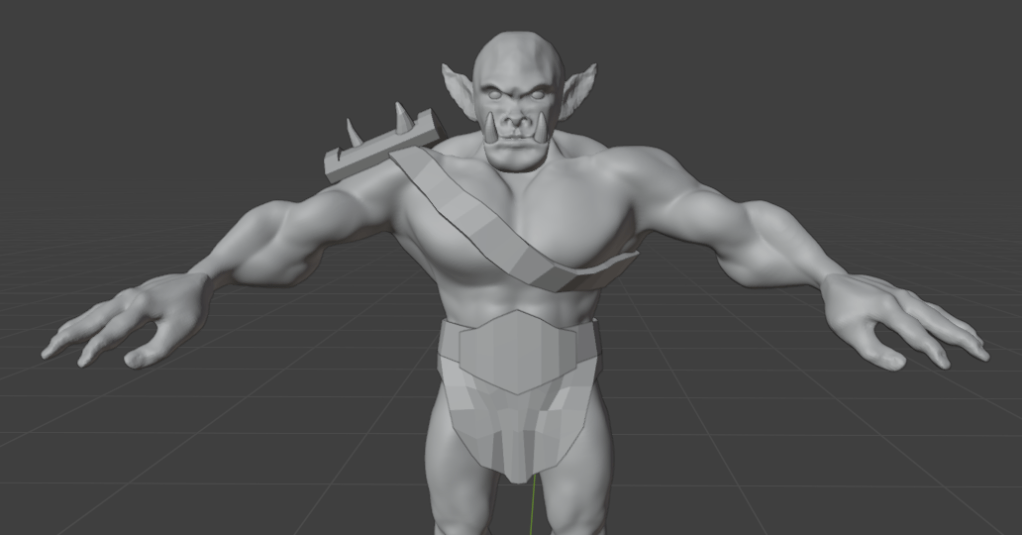
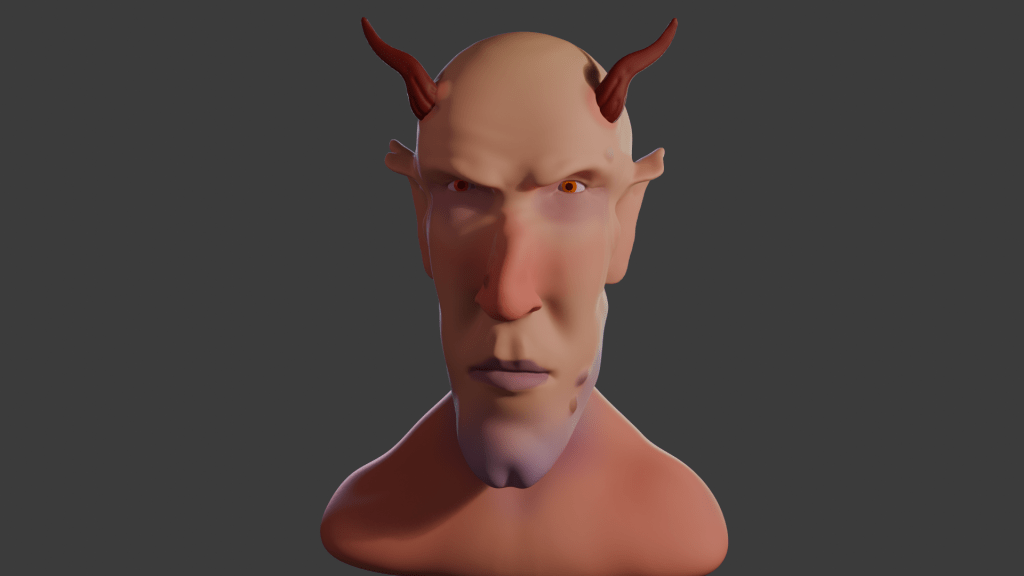
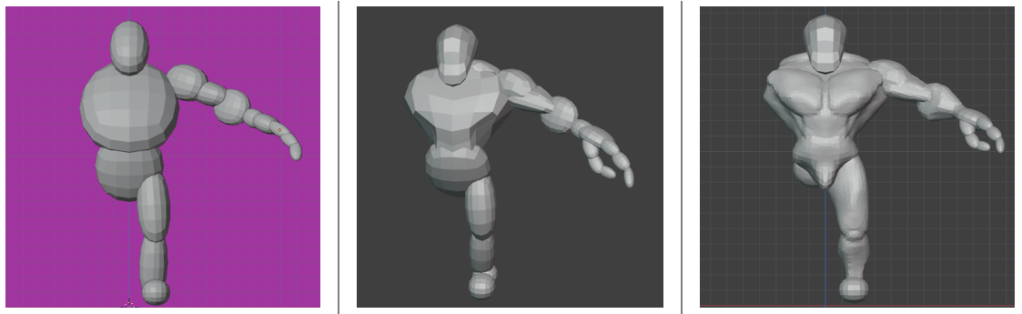
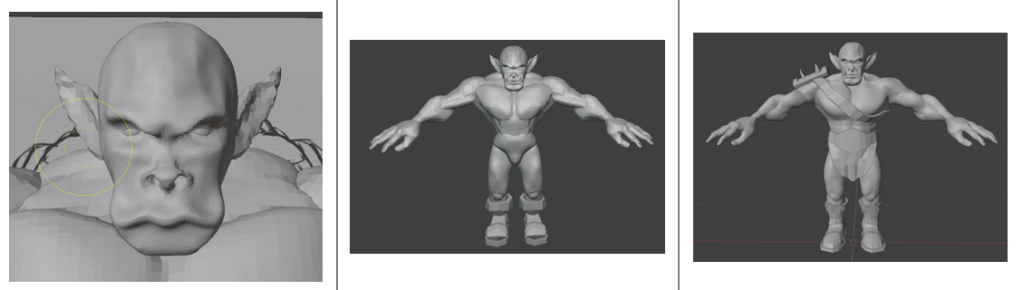
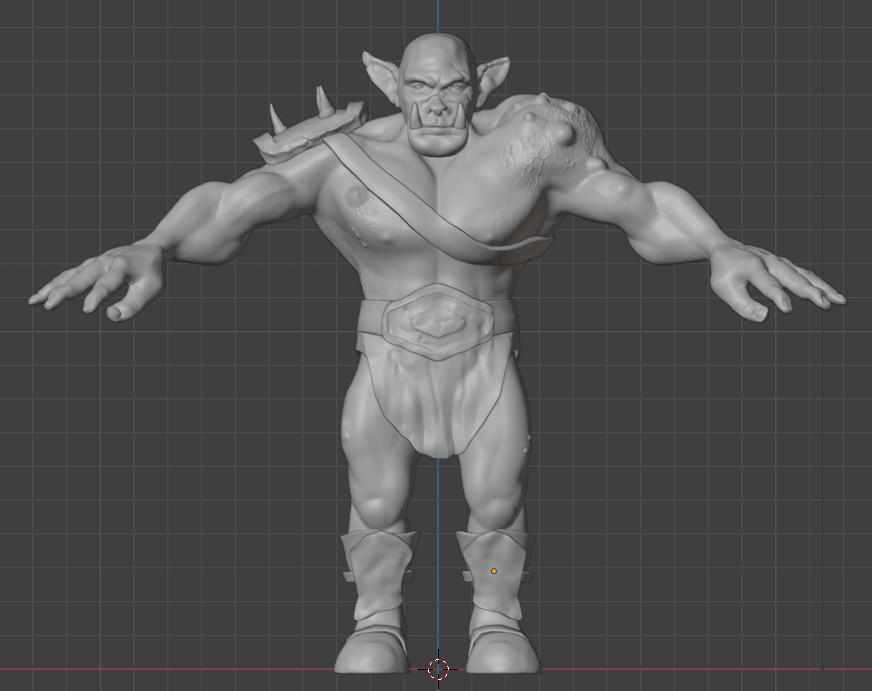
    I’ve not updated for a while, but I’ve not neglected the course. I’m nearly finished the course I started, having made a dungeon scene and a low poly dinosaur.

    Dungeon scene, with crates, barrels and ineffectual lighting.

    The dungeon was interesting to do, I can see why that would be useful for a game engine. How you put it into a game and how you make a game is not really anything I am thinking about right now.

    Low poly dinosaur with trees and a mountain.
    I am a mighty dinosaur! Hear me roar!

    Not a very convincing scene. I’m sure there are ways of improving the look of the landscape and making it look like the T Rex is further away from the trees.

    We’ve started what sounds very scary – UV mapping. So far, it’s using downloaded images to make barrels and crates look authentic without faffing around and adding texture, like we did for the dungeon scene. Grant has likened this to putting labels on jars, which is a nice cozy way of describing it. I’ll be finished with this part soon and will post if I remember.

  • Silliness above all

    What makes you laugh?

    Mostly I laugh at what has no agenda and is mainly silly. This will be why I love Taskmaster, Morecambe & Wise, Bob Mortimer, Airplane!, Ghosts, Eddie Izzard, Monty Python and Stewart Lee.

    Silly songs, too!

    You could include Terry Pratchett, though the elevated level of silly hides sharp commentary and anger.

    There’s plenty I don’t find funny, but that’s another story.

  • 3D printing an SEM image

    One of the things that has been rattling round my head for many years is the idea of 3D printing from an SEM image. I know, it’s a common issue and one you’ve all heard many, many times.

    In a previous post, I mentioned how I’d done some of this already using Blender and a bit of artistic licence. What I made needed to be printed in two part (one white, the other yellow) because I didn’t have access to a multicolour printer.

    3D printed oil in water droplet
    Original version of a 3D printed oil in water droplet. Some artistic licence required and I had to design and print in two parts. You can see the join.

    Scrolling through Blender instruction videos (as you do) I saw a post by Architecture Topics on how to convert an image into a 3D Element.

    This pinged a synapse in my brain and I wondered if the SEM of the broken oil droplet I took some years ago could be used in the same way.

    Scanning electron micrograph of a split oil droplet. I took this image about ten years ago and have been thinking about making a 3D version ever since. I can work faster. Honest.

    How hard would it be to convert the original image to a 3D Element?

    Rendering of convertion a SEM image to a 3D element

    Rendered version of the converted image. I’ve stuck to black and white since electrons don’t do colour. I could reasonably render this with a gold effect since the sample prep involved coating with gold to get better imaging.

    It took a while, but I got there. For the final render, I put the converted image into a box to hide the ragged edges of the conversion. Also I had the opportunity to go into my old work and have a go on the 3D printer there.

    After a bit of faffing (because I’d not applied a solidify modifier to the final image) I got a .stl file that the slicer said would print.

    My first attempt wasn’t great. I’d only applied enough solidify modifier to give the final print a thin shell. To quickly fix this, rather than going back into Blender and increasing the solidify level, I set the slicer to do 100% infill.

    That didn’t work. I’d need to go back to Blender and learn how best to use the 3D toolbox that I learned about while I was doing this.

  • Chicken & pea risottata

    Chicken & pea risottata

    You can make risotto with pasta, orzo they say.

    Timings:

    Prep: 5 min. Cook: 30 min. Eat: 10 min.

    Ingredients

    250 g orzo pasta

    600 ml chicken stock

    2 large chicken breasts

    knob of butter

    half an onion, diced

    frozen peas/ petit pois

    garlic, oregano and thyme

    a good pile of grated parmesan

    Dice the chicken breasts, brown off in a frying pan. Put to one side.

    Diced chicken on a chopping board. We bought the knife in France, it’s a ceramic blade.

    In a large saucepan (the whole thing is made in this pan), add the butter and fry the onion over a low heat for 5 minutes until they’re clear. Add garlic (crushed or chopped) and give that 30 seconds frying. Add herbs and stir them in, too.

    Orzo pasta. I must have been feeling flush to buy DeCecco pasta.

    Add the orzo and toast until lightly brown. This is critical to the texture of the finished dish.

    Add the chicken pieces and half the stock. Turn up the heat and stir well to avoid anything sticking to the pan.

    Once the pasta has absorbed the liquid, add half the remainder. Keep stirring (though Nigella says not to bother. But what does she know?)

    Add the peas and the rest of the stock. Cook until the pasta has the texture you like; ideally a bit of bite should remain. You can cook until it’s all soft if you prefer.

    Chicken risottata, almost ready for dishing up.

    Stir in the grated parmesan and serve. Garlic bread would be a good addition. Maybe use smaller pieces, or add chorizo to give more variation in the texture.

  • Leek and potato soup

    Leek and potato soup

    Frost in March? Time for shoop!

    Makes enough for four people

    Timings: Prep = 10 min. Cooking = 30 min. Eating = 5 min

    Ingredients

    500 – 600 g potatoes (Baking potatoes or big, floury ones)

    500 -600 g leeks (about the same amount of leeks and potatoes)

    Veggie stock (Knorr stock pot, if possible)

    2 garlic cloves

    I add chilli flakes and cumin (half a teaspoon) to pep it up a bit, oregano and thyme (teaspoon or more) to help make it interesting.

    Additions

    Bacon lardons

    Parmesan

    Method

    You’ll need a big saucepan and a blender.

    Chop the leeks, roughly – only use the white and pale green parts.

    Peel then dice the potatoes and put into water.

    Add a splash of oil to a large saucepan – the soup is made in this pan, so it needs to be big. I use peanut oil, because I’m like that, but vegetable or olive will be fine. Don’t use extra virgin olive oil. though. Fry the leeks over a medium heat until they start to soften and before they go brown. If they go a little brown, don’t worry.

    Add crushed garlic, spices and herbs if using them – fry for about 30 seconds. Add water and stockpot to cover the ingredients. Add the potatoes and more water to cover the spuds.

    Simmer for at least 20 minutes, until the potatoes are softened.

    Use the blender (I bought a stick blender from Wilco years ago and use this. Well worth the £12 it cost.) to mash up the ingredients. You may need to add more water to get the viscosity right – this is a matter of preference.

    Warm the soup through on a low heat. This helps thicken up the soup as starch is released from the potato particles. Meanwhile, fry the bacon lardons until they’re crispy. Grate a good pile of parmesan.

    Serve soup with a sprinkle of bacon and cheese. Serve with bread; Mrs S makes excellent bread that is great with this. But we had none, so I had Warburton’s white instead.

  • Terry Pratchett GNU

    Terry Pratchett GNU

    Today is the tenth anniversary of Terry Pratchett’s death.

    We knew it was coming, but it wasn’t any easier.

    I read The Colour of Magic just after it came out in paperback in 1985. There was a very favourable review in White Dwarf, I may have borrowed my brother’s copy before splashing out a few quid on my own copy. I’d enjoyed Anne McCaffrey’s Pern series (lightly parodied in CoM) and read the Fafhrd and the Gray Mouser series a year before. Conan/ Hrun the barbarian was a trope I knew and I had probably seen Schwarzenegger in the film. I later learned that Bel-Shamharoth was a parody of the Cthulu mythos. I have tried to read Lovecraft, but I can’t get on with him. Just get on with the story, already.

    By the time I went to Uni in ’89 there were seven Discworld books. Pyramids, detailing Pteppic’s time at the Assassin’s Guild (modelled on public schools) in the first part had come out, not long after I’d tried (and failed) to read Tom Brown’s Schooldays. This was unrelated to Pratchett – I’d read the available Flashman books and thought I’d try the original. This did nothing to assuage my antipathy towards Victorian literature, which was based on having to drudge through Oliver Twist for O level English. I also have issues with books set in public schools – by brother loved the Jennings books, I was never keen.

    Anyway, I was a fan of his work and bought the paperbacks when they came out and I could afford them. I also came across The Unadulterated Cat and, by chance, Good Omens in hardback at the irresistible price of £8.95. I was in Quiggin’s in Liverpool, looking for cheap clothes probably, and was astonished to see this for sale.

    I had no idea who this Neil Gaiman person was.

    First edition (I think) Good Omens, bought in Quiggin’s Market, Liverpool.

    Back at Loughborough, I was sharing a house with Simon, a fellow metalhead who was doing English and Drama. As is the nature of Drama types, they tended to congregate as a group. One of the group became friends with Simon’s girlfriend. Over a curry one evening, this friend and I got chatting about books and fantasy. We shared a love of Anne McCaffrey and a growing disdain for high fantasy, but she’d never read Terry Pratchett, could she borrow one?
    By the time she’d borrowed all my books, we realised that we really liked each other. So much so, that we got married, bought more Pratchett books and had two children together. But not before we got to meet him and nearly poison him with a bananana dakry.

    Pterry at Loughborough University, signing for Witches Abroad in 1992. Our friend Emma and I colluded to get him a bananana dakry which, to his credit, he drank and pretended to enjoy.
    So Pterry meant a lot to us and we were saddened by his death, although we had known it was going to happen. Not as sad as when family have died, but still upset.

    Not long after my dad died, I read “A Life With Footnotes”, Rob Wilkin’s biography of Sir Terry. My dad had had vascular dementia, which stripped him of his memory, his independence and his dignity. Reading the last part of the biography was difficult for me. Not only because of how accurately Rob described his final days and Terry’s decline, but because I was crying while reading it.

    I’m rereading A Life With Footnotes. I keep meaning to do a re-read of all the books, revisit old favourites and maybe, finally read The Shepherd’s Crown.

    But I do need to find a copy of The Unadulterated Cat.

    Original cover of The Unadulterated Cat.