.. turns out I’ve not been in love before.
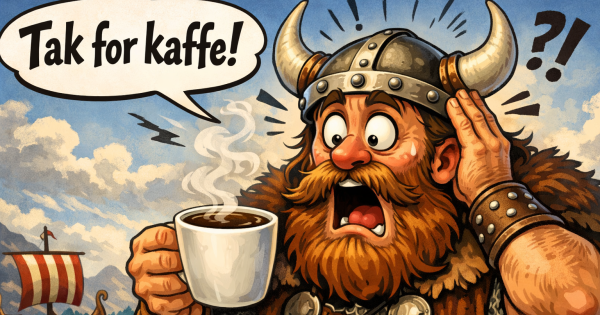
This design pulls together three icons of art and humour: Taskmaster, Monty Python and Andy Warhol.

He was a different man
I’ve written about Taskmaster before. It’s my favourite programme at the moment, the last two series (19 and 20) rank among the best. It’s got astonishing longevity; Alex Horne has hit upon a winning formula and he carefully selects groups of comedians who make a concerted effort to make the whole thing as much fun as possible.
Back in the distant past of Series 6 (broadcast in 2018), the final task of the series asked the contestants:
Tell the Taskmaster you love him in the most meaningful way.
As is typical, the contestants found wildly different ways to do complete the task. Tim Vine dressed as Greg’s mum and told Greg that he is her favourite child. Russell Howard didn’t have sex with Greg’s mum. Alice Levine got a toy aeroplane to fly a meaningful message for Greg. Asim Choudhry performed a rap declaring that he wanted to have Greg’s babies.

Lisa Tarbuck, the series champion, hit the ball out of the park with her demonstration. She asked for a large cake topped with confectioner’s custard. Then she said to Alex:
Take yourself somewhere private and put your bare arse into it.
And so it was that Alex took himself to the shed, pulled down his pants and, with carefully positioned cameras recording the event, sat bare-arsed on a cake.
His expression of horror/ delight has stayed with me for years. He had an experience unlike anything he had known before and changed him. “He was a different man1,” Lisa declared.

An equal part of the joy of this was Lisa’s reaction. She ran away, giggling when Alex came out of the shed, dripping cake from under a strategically placed towel.
Andy Warhol’s Shot Marilyns
With such an image in my head, I had to do something with it. One iconic image deserves another, and there are few more iconic faces than that of Marilyn Monroe.
Andy Warhol certainly thought so. The silkscreen collection Shot Marilyns is one of his best-known works. This isn’t the name he gave the works – he called them Marilyns and made five in total. Each had a different background colour and slightly different colouring to the face. The “Shot” addition came about when the performance artist Dorothy Podber fired a single shot through a stack of four of the paintings. Her actions – a piece of performance art that Warhol did not appreciate – earned her a lifetime ban from The Factory.

Whether you’re a fan of pop art and the world of Andy Warhol, the colourful images of one of the greatest film starts of the 1950s, you can’t deny the paintings are memorable.
I tribute to this, I found a way to make images in a similar manner to the Marilyns. Using this method, I made my own set of images of Little Alex Horne’s face.

I quite like the triptych as it is. For the final design that uses the ‘four images’ presentation that is often used for these paintings, I wanted some words to go with the image.
Monty Python’s very rude song
In one of my first blog posts2 I talked about what makes me laugh. Monty Python is firmly in that camp, especially when they get silly.
The title of this section is a bit misleading. Python did a number of rude songs – the Not Noël Coward song from Meaning of Life springs to mind – but Sit on my Face is probably the rudest of all.
If you’re easily offended, don’t go looking for it.
However, the sentiment from the Python’s song and the sentiment from Lisa Tarbuck’s demonstration of love can find middle ground. A middle ground that, with a little tweaking, can enhance the four images of shocked Alex.
- This was also the episode title. ↩︎
- There’s an updated version with a few examples of stuff I think is funny. ↩︎